
Chicago Personal Injury Lawyer
Award-Winning Chicago Personal Injury Lawyer - Securing Justice
for Illinois Injury Victims - Over $450 Million Recovered



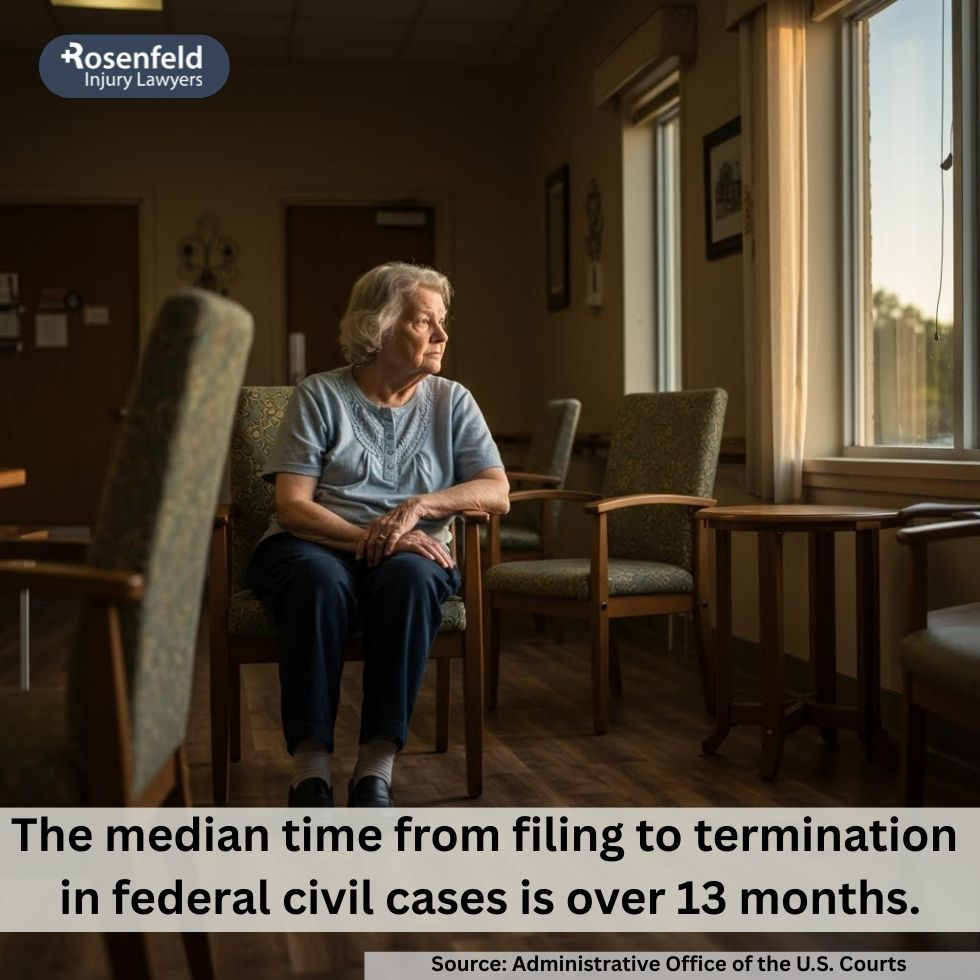
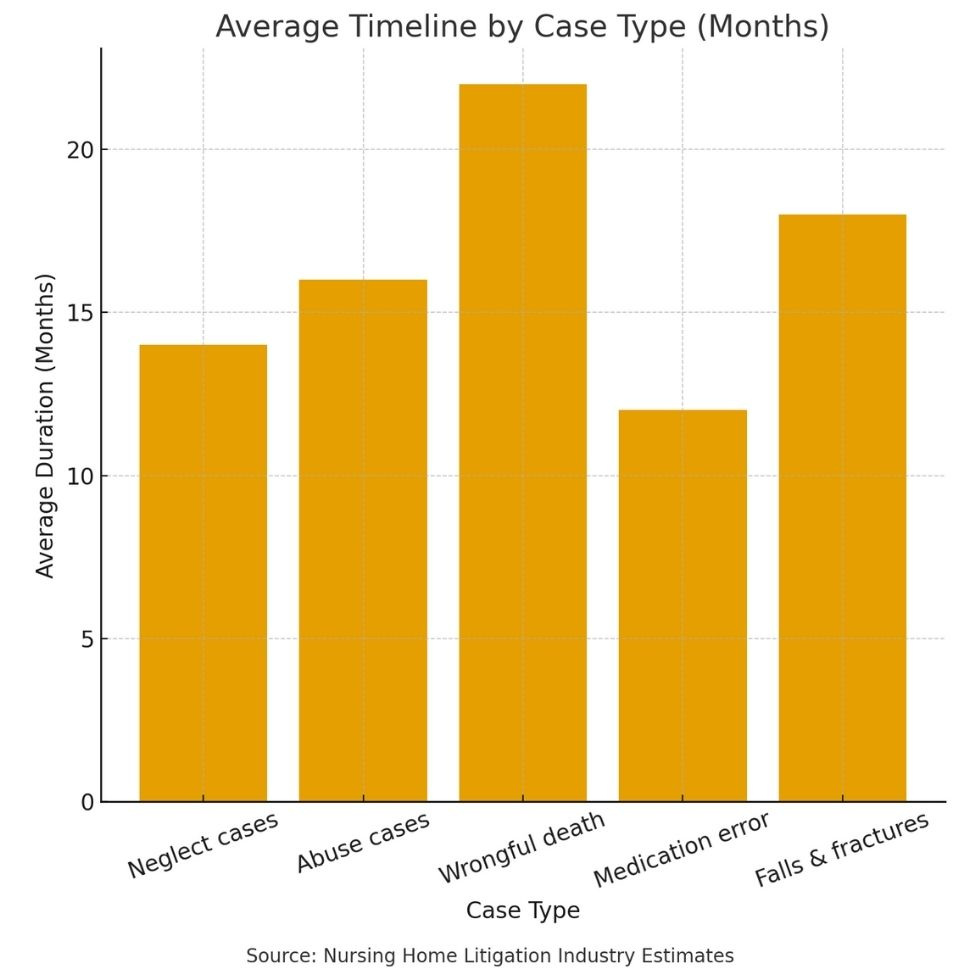
After your loved one has been mistreated at a Chicago nursing home, you may wonder how long does a nursing home lawsuit take. The timeline varies by case, but it typically takes around a year to successfully complete the process.
As the personal injury statute of limitations is only two years (735 ILCS 5/13-202), it’s crucial to get started as soon as possible. Our nursing home abuse lawyers will guide you through the legal process, coordinating every element so that you can focus on healing.
The first phase of the nursing home abuse lawsuit takes one to three months. When you first contact a nursing home abuse attorney for a free consultation, we ask for some basic information about your case, including:
After your free case review, our personal injury lawyers will discuss your legal options and potential compensation based on the complexity of the case, the parties involved, and the severity of the injuries.
We’ll also consider the legal action we can take based on laws like the Illinois Nursing Home Care Act (210 ILCS 45/) and federal guidelines about nursing home abuse (42 CFR § 483.12).
These laws provide a clear legal framework about what is considered negligence, including things like withholding medication, failing to offer a home-like environment, and using unnecessary restraints for staff convenience or discipline.
The next step is to gather strong evidence, which can take several months. This process involves reviewing medical records, interviewing nursing home abuse victims, and consulting with experts. A thorough investigation by an experienced lawyer is crucial to determining liability and ensuring we seek justice from the responsible parties.
Our personal injury attorneys then draft a complaint, which explains the basis for the lawsuit and shares evidence of nursing home negligence. The complaint may cite relevant case law to support our legal arguments.
For example, if the nursing home unfairly discharged a resident, we could cite Lakewood Nursing & Rehab. Ctr., LLC v. Dep’t of Pub. Health, demonstrating that this is against the Nursing Home Care Act.
After this, we begin filing nursing home lawsuits with the relevant court, such as the Cook County Circuit Court or the US District Court of the Northern District of Illinois.
Discovery is the longest part of the nursing home lawsuit process, taking anywhere from 6 months to a year.
This process involves taking depositions, which are recorded discussions of witness testimony, or interrogatories, which are written questions. We will have to schedule time with nursing home residents, experts, and staff. They may provide information on things like when they noticed bed sores or if they saw physical abuse.
If the nursing home neglect involved medical malpractice, we will have to submit an affidavit of merit from a physician attesting that the medical treatment provided was inadequate (735 ILCS 5/2-622). We may work with a gerontologist from facilities like Northwestern Memorial Hospital or UChicago Medicine.
We will also issue subpoenas, which are document requests for information like facility records, medical reports, and surveillance footage. This crucial evidence is shared with the other parties, including other law firms.
The insurance company will want to settle a nursing home abuse lawsuit out of court because it is less expensive. Additionally, an out-of-court settlement is confidential, which spares the nursing home from bad press.
As such, negotiation starts shortly after we file a complaint and is typically settled before the trial begins. These are called pre-trial talks and will take place in conjunction with other meetings like discovery and depositions.
The negotiations may be mediated, which is when a neutral third party helps both parties come to an agreement about how much should be paid out. This is based on damages like medical expenses and emotional distress.
Unfortunately, many legal challenges might arise during a nursing home lawsuit that extends the timeline. These include the following.
While many cases settle out of court, sometimes settlement negotiations with the nursing home’s legal team will refuse to offer a fair settlement agreement. In this case, the case proceeds to trial. Court proceedings can add up to a year to the timeline due to court schedules, secondary settlement discussions, and hearings.
The trial process can be extremely stressful. There are numerous deadlines to meet, including a two-year limit on personal injury or wrongful death claims (740 ILCS 180/). Additionally, the number of parties involved requires careful coordination and management to ensure everything is filed on time.
Our Super Lawyers® have over 100 years of combined legal experience managing nursing home abuse lawsuits, and we use a streamlined process that ensures nothing is missed. We will research similar nursing home abuse cases, file the appropriate paperwork, and seamlessly schedule meetings with all relevant parties.
We also have a range of professional connections, from local elder abuse experts to gerontologists who can provide their unbiased perspective on what occurred. These professionals can be challenging to find on your own, which is why we handle all of this on your behalf.
Most importantly, our personal injury attorneys handle these logistical challenges so that you can focus on caring for your loved one and healing from the abuse. Our team will keep you updated every step of the way while respecting your privacy and protecting you from insurance companies.
Having secured over $450 million in successful settlements and verdicts over the past 25 years, we have been welcomed into the Million Dollar Advocates Forum. Our Chicago-based law office has a full complement of legal experts ready to coordinate every aspect of your claim, from gathering information to scheduling depositions and filing legal complaints.
Our award-winning nursing home abuse lawyers work on a contingency fee basis: you pay no legal fees unless you receive financial compensation. Contact us at (888) 424-5757 or use our online contact form to schedule a free consultation about your case.