
Chicago Personal Injury Lawyer
Award-Winning Chicago Personal Injury Lawyer - Securing Justice
for Illinois Injury Victims - Over $450 Million Recovered



Rosenfeld Injury Lawyers represents individuals and families affected by institutional abuse, with a strong commitment to helping survivors hold negligent institutions accountable. An experienced institutional sexual abuse lawyer from our law firm can help survivors pursue justice and recover financial compensation from the institutions that failed them.
We offer a free consultation to help you explore your options with care and respect.
Institutional sexual abuse refers to situations where an institution (such as a school, church, foster care agency, or youth organization) allows sexual abuse to occur through its negligence, lack of oversight, or failure to act.
Unlike abuse committed in private settings, institutional abuse happens when trusted organizations create or permit environments where predators have access to vulnerable individuals, often children.
This can involve ignoring warning signs, failing to report allegations, or protecting abusers instead of victims. In some cases, the abuse continues for years because of systemic failures, inadequate supervision, or intentional cover-ups.
In institutional settings, grooming often begins with an abuser using their authority or trusted role to build a false sense of safety. Teachers, coaches, clergy members, and staff in organizations may exploit their positions to gain access to children or vulnerable individuals.
Grooming behaviors can include giving special attention, isolating the victim from others, offering gifts, or creating emotional dependence. These tactics are designed to break down boundaries gradually, making it easier to commit sexual abuse without immediate detection. Institutions that fail to monitor staff, enforce clear boundaries, or respond to concerns enable this manipulation to continue unchecked.
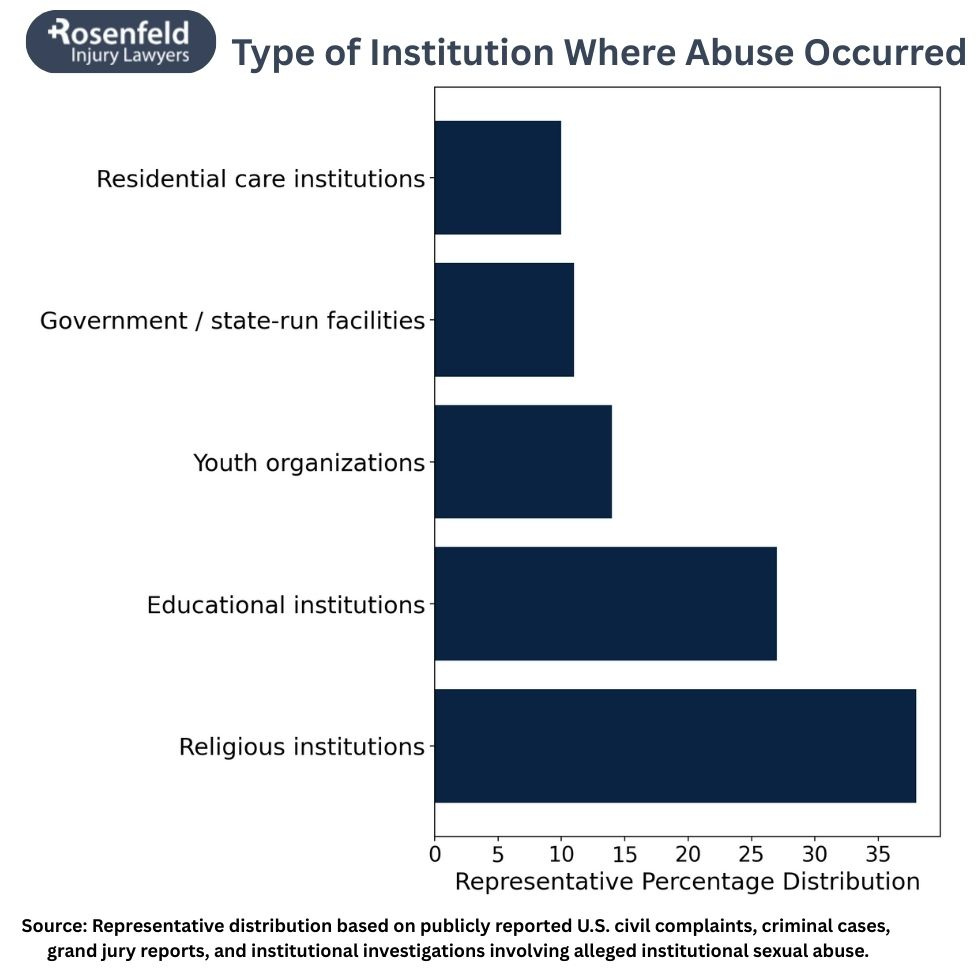
Sexual abuse within institutions can happen in any environment where a person—especially a child or vulnerable adult—is placed under the care, custody, or supervision of an organization. The abuse often goes undetected or unreported due to fear, shame, or the belief that trusted institutions will protect victims. These are some of the most common settings where institutional abuse takes place:
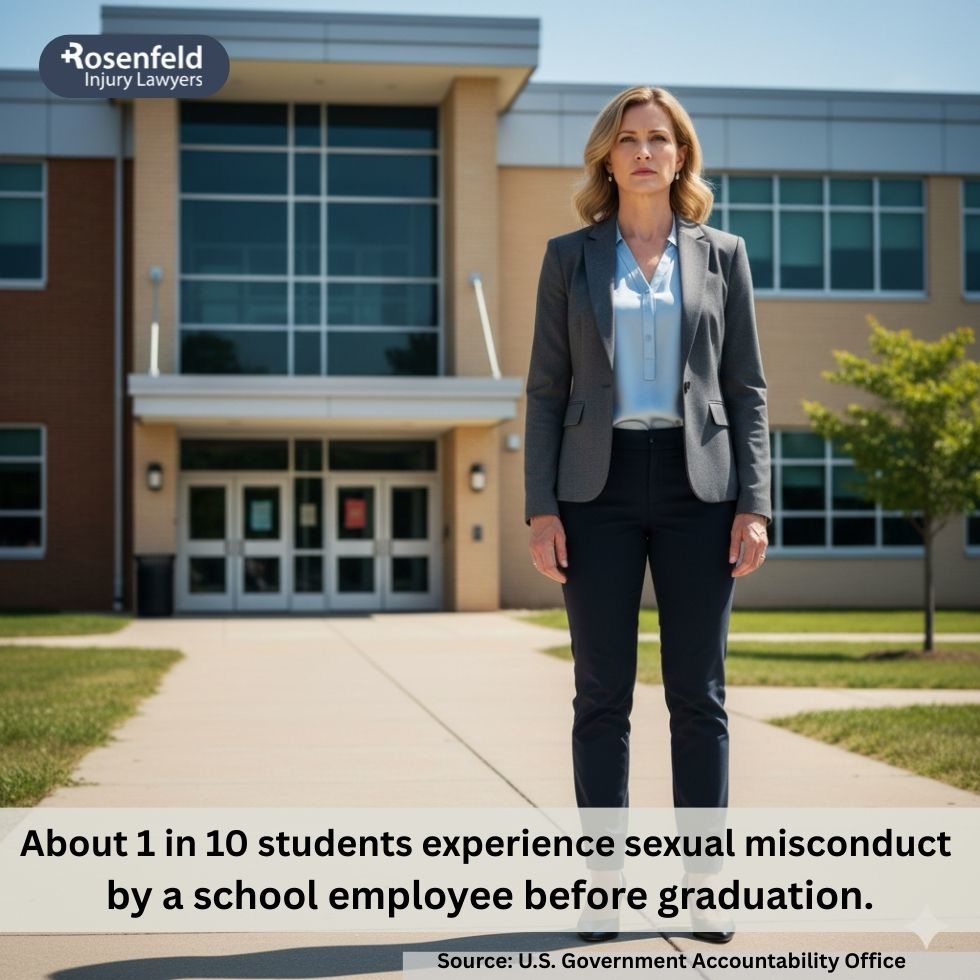
Teachers, coaches, administrators, and staff have daily access to students, often in unsupervised settings. When schools fail to investigate reports or ignore patterns of misconduct, abuse can continue unchecked for years.
Clergy and religious leaders are often held in high regard, making it difficult for victims to come forward. Many survivors of sexual abuse report being silenced or disbelieved when they tried to report misconduct.
These environments often involve close interaction between staff and children. A lack of background checks, weak supervision, or poor reporting systems can create opportunities for predators to exploit children.
Children placed in foster care or residential settings are especially vulnerable. When agencies fail to properly screen caregivers or respond to abuse reports, they allow ongoing harm to those already at risk.
Patients—especially those with mental health conditions or disabilities—can be taken advantage of by trusted medical staff. The institutional structure and fear of retaliation often discourage victims from speaking out.
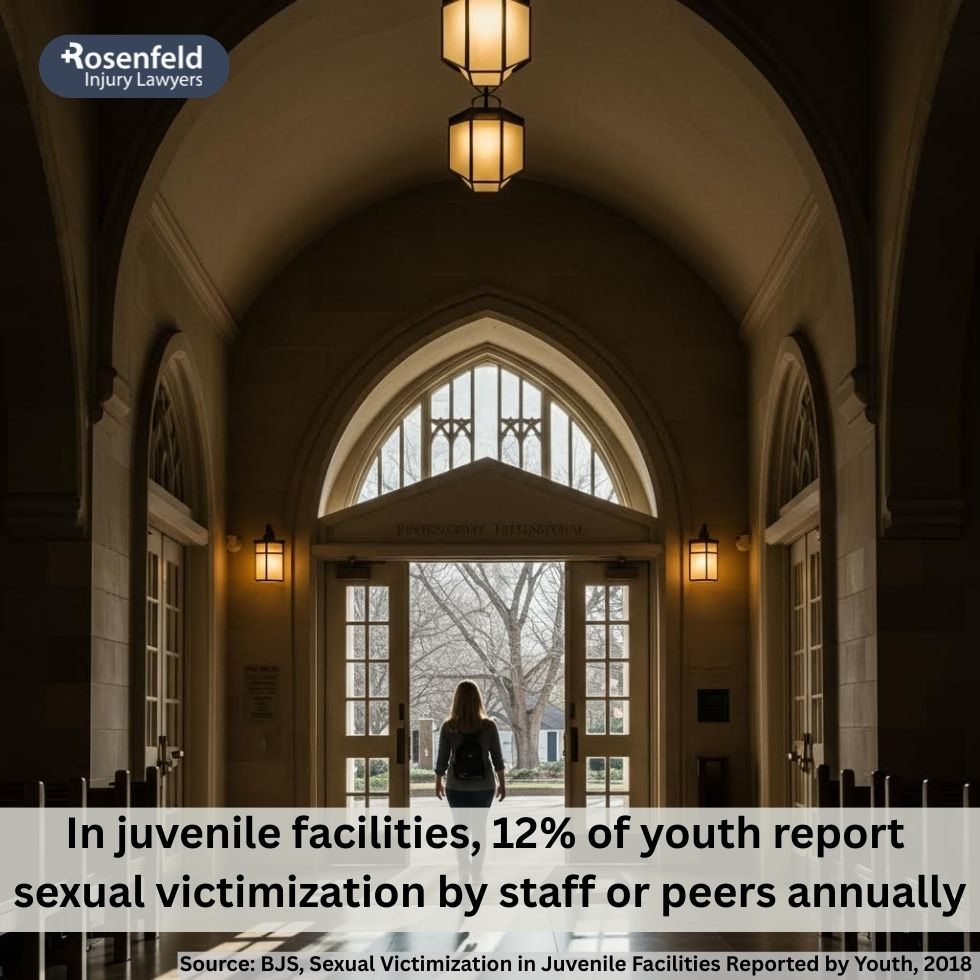
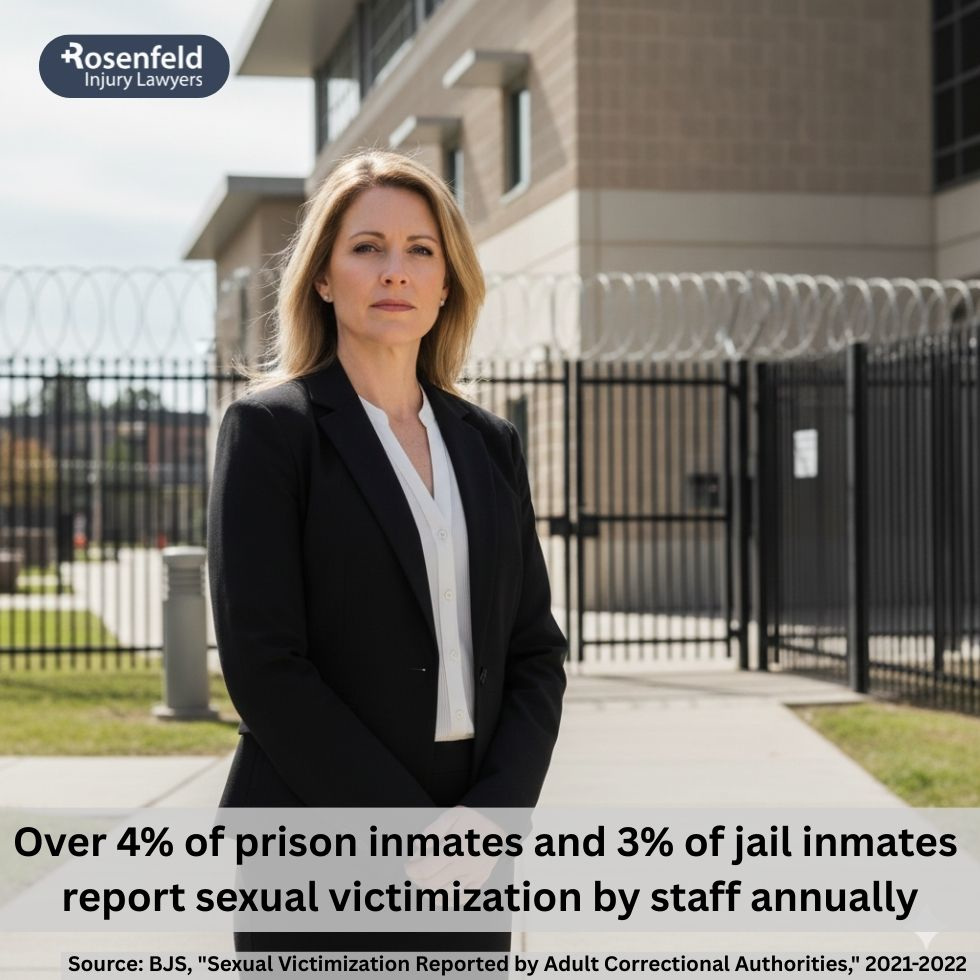
Incarcerated youth and adults are at risk of being sexually assaulted by staff or other residents. Lack of oversight, retaliation for reporting, and power imbalances make these settings particularly dangerous for abuse victims.
Institutions fail survivors when they allow predators to operate without consequences.
This often begins with negligent hiring practices, such as ignoring red flags or skipping background checks. Even when warning signs appear, many organizations lack proper supervision, leaving staff unsupervised around vulnerable individuals. Some institutions don’t have clear reporting systems, or they ignore complaints altogether, protecting their reputation instead of the people in their care.
Understaffing and poor training can lead to missed warning signs or improper responses to abuse reports. In some cases, there’s a long-standing culture of silence or tolerance for misconduct, where abusers are quietly transferred instead of removed.
Institutional abuse often follows clear patterns that go unnoticed or unaddressed. A common tactic is isolating victims in one-on-one situations—such as private meetings, after-hours interactions, or secluded areas—where supervision is limited or absent.
Abusers may repeatedly cross boundaries under the guise of mentorship or care, using small, inappropriate actions to test limits and normalize contact. Policy gaps, such as vague conduct rules or inconsistent enforcement, give predators the space to act without consequences.
Repeated rule violations may be overlooked or excused by leadership, especially if the abuser holds a respected position.
Over time, misuse of authority allows abuse to continue, as victims fear retaliation or disbelief. These patterns thrive in institutions that fail to enforce safeguards, protect survivors, or respond swiftly to misconduct.
Institutional abuse can affect anyone under the care or authority of an organization, but some groups face a greater risk. Minors, including students and foster youth, are especially vulnerable due to their age and dependence on adults. People with disabilities, patients in hospitals or psychiatric facilities, and residents of group homes often rely on staff for daily care, making it harder to report abuse. Adults in correctional settings or state-run programs may face threats or retaliation for speaking out. Whether in schools, medical facilities, or youth programs, abuse victims deserve protection, legal support, and the opportunity to hold institutions accountable.
Several federal laws establish a framework for protecting individuals from sexual abuse in institutional settings and set clear duties for organizations to prevent, report, and respond to misconduct. These laws apply across a range of environments, including schools, correctional facilities, youth programs, and residential care systems.
In addition to these federal laws, each state has its own mandated reporter laws, requiring teachers, medical staff, and others in positions of trust to report suspected abuse. States also set specific time limits for filing childhood sexual abuse cases.
Survivors of institutional sexual abuse have the right to seek justice through civil lawsuits. An experienced institutional abuse lawyer can help build a case based on several legal grounds:
Survivors of institutional sexual abuse often need more than legal action. Access to trauma-informed resources, advocacy groups, and trusted information can play a key role in healing and empowerment. The following organizations provide national-level services, education, and survivor-centered support:
In addition to these organizations, each state has its own system for reporting abuse and supporting victims. These agencies play a key role in investigations, protective services, and connecting families to community-based resources.
Survivors often find strength and support in communities led by others with shared experiences. These networks focus on empowerment, awareness, and systemic change. Your legal team may recommend specific groups based on client needs.
Our institutional abuse lawyers provide comprehensive support to survivors of sexual abuse by building strong, evidence-based cases against the organizations that allowed abuse to happen.
We begin with a detailed investigation, gathering internal records, personnel files, and incident reports that may show a history of negligence or ignored complaints. Our experienced attorneys interview witnesses and consult with medical experts, mental health professionals, and policy specialists to understand the full scope of harm and institutional failure.
We evaluate whether the organization failed in its duty to protect, ignored legal reporting requirements, or shielded known predators. After gathering evidence, we file legal claims, negotiate for fair compensation, and, when needed, prepare the case for trial. Throughout the process, we focus on giving survivors a voice and holding institutions accountable for the pain they’ve caused.
Yes. PTSD is a common result of sexual abuse and may be part of the damages claimed in a civil lawsuit. If the trauma stems from institutional failures or abuse, survivors can seek compensation for therapy, emotional suffering, and long-term psychological impact.
Yes. Survivors can file civil claims against the individual abuser and the institution that enabled or ignored the abuse. Institutions may be liable for negligent hiring, supervision, or failing to act on known risks, making them legally responsible for the harm caused.
The time limit varies by state, but many allow extra time for childhood sexual abuse survivors. Delayed-discovery rules and statute-of-limitations reform laws or revival windows can extend or reopen the filing period, even years after the abuse occurred. A sexual abuse attorney can help review your timeline.
Evidence may include witness testimony, internal documents, prior complaints, staff records, medical or therapy reports, and expert analysis. Proving institutional failures often relies on showing a pattern of negligence, ignored red flags, or a lack of action after known risks.
Survivors can pursue compensation for medical and mental health treatment, emotional distress, lost income, pain and suffering, and other long-term effects of abuse. In some cases, punitive damages may be awarded to punish the institution for gross negligence or misconduct.
Many survivors of sexual abuse delay reporting due to fear, shame, psychological trauma, or thinking they won’t be believed. Others may repress the memories or only recognize the impact years later. These delays are common and do not disqualify a civil claim under many updated laws.
No. A criminal case is not required to file a civil lawsuit. Civil cases focus on financial accountability, and survivors can pursue claims even if the abuser was never charged or convicted.
Cover-ups can strengthen a civil case by showing a pattern of misconduct or willful negligence. If an institution ignored complaints, failed to report abuse, or tried to protect an abuser, this behavior may increase liability and, in some cases, support claims for punitive damages.
If you or someone you care about has been sexually abused in an institutional setting, you don’t have to face the legal process alone. Our personal injury lawyers offer a free consultation to help you understand your legal rights and explore your options. We’re here to listen, investigate, and pursue the financial compensation you deserve for the harm you’ve suffered.
Contact us today to speak with an experienced institutional abuse lawyer in complete confidence.
All content undergoes thorough legal review by experienced attorneys, including Jonathan Rosenfeld. With 25 years of experience in personal injury law and over 100 years of combined legal expertise within our team, we ensure that every article is legally accurate, compliant, and reflects current legal standards.