
Chicago Personal Injury Lawyer
Award-Winning Chicago Personal Injury Lawyer - Securing Justice
for Illinois Injury Victims - Over $450 Million Recovered



The Dr. Patrick Clyne sexual abuse allegations have drawn attention to one physician’s alleged misconduct and shown how multiple systems responsible for foster youth, vulnerable children, and child protection may have allowed serious harm to continue unchecked.
For decades, Clyne held authority within the Santa Clara Valley Medical network, county hospitals, state-licensed care facilities, and youth-serving programs across Santa Clara County. These accusations reveal urgent questions about fragmented oversight, institutional negligence, and whether agencies charged with protecting foster children failed to intervene when warning signs first appeared.
As an institutional sexual abuse lawyer team, our role is to help child victims, former foster children, and anyone harmed in medical or child-welfare settings understand what legal rights they have today. We investigate how systems broke down, how access to vulnerable populations went unmonitored, and how survivors can pursue justice through a civil lawsuit.
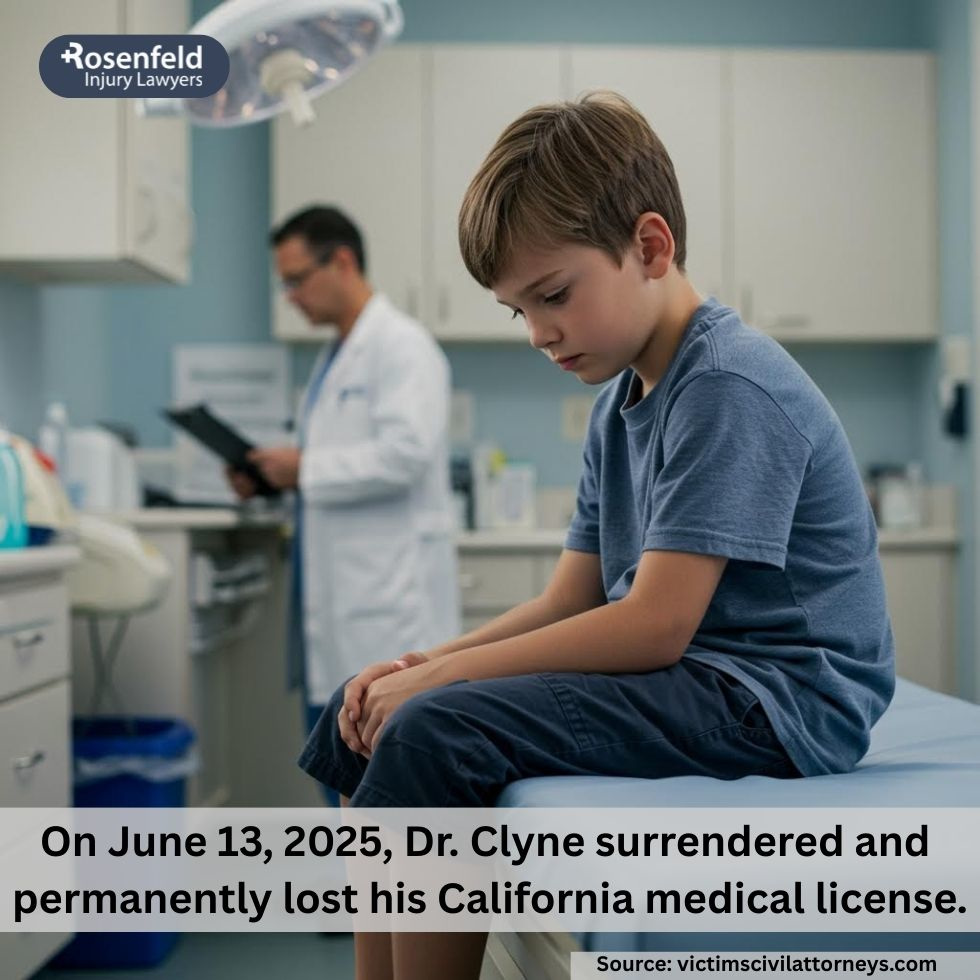
Patrick Clyne, M.D. built a long career as a pediatric provider in Santa Clara County, treating children in county hospitals, community clinics, and specialized child-welfare programs. The former chief pediatrician provided pediatric evaluations at Clara Valley Medical Center, including exams for minors entering foster care, juvenile probation programs, or temporary county shelters.
These assignments placed him in regular contact with social workers, child protective services, juvenile probation officer personnel, and professionals responsible for the health and safety of foster youth.
Clyne also maintained ties with several private medical entities, including the Medical Group of Watsonville, a pediatric medical group, and other private medical corporations that contracted physicians to treat young people with complex medical and behavioral needs.
This combination of public-sector authority and private-practice affiliations gave him access to a wide range of vulnerable children, many of whom lacked consistent adult advocates at their medical appointments.
Clyne was also a former foster parent to minors placed in his home by child-welfare agencies. This dual identity, as both the treating physician for foster children and a caregiver with parental authority, placed him in a position of extraordinary trust. It also created conditions in which alleged misconduct could occur without meaningful external oversight.
His ability to conduct medical examinations without a parent present, interact closely with foster parents, and practice medicine across several medical facilities is now a central issue in understanding how the alleged abuse persisted.
The allegations involving Patrick Clyne, Dr. of Medicine, stretch across multiple decades and implicate numerous public agencies, medical institutions, and youth-serving programs.
During the early stages of his medical career, Clyne emerged as a senior pediatric provider within the Santa Clara Valley Medical Center (SCVMC) network.
He regularly evaluated foster youth, children removed from unsafe homes, and minors entering programs managed by the county child-welfare system. Many of these children underwent intake examinations at Clara Valley Medical Center or satellite clinics connected to the county.
During this period, Clyne built a reputation as a key medical provider for child protection assessments, giving him nearly unfettered access to children lacking traditional family oversight.
Agencies such as the Santa Clara County Department of Family and Children’s Services (DFCS) and various licensing units relied on his expertise, a dynamic that later contributed to extensive access with limited monitoring.
By the 1990s and early 2000s, Clyne’s responsibilities grew substantially. He became one of the primary pediatric evaluators for children entering or transferring within the foster care system, including minors placed in:
He maintained active affiliations with the Medical Group of Watsonville, a regional pediatric medical group, and additional private practices that provided pediatric care for vulnerable children referred through public channels. This widespread reach has become a key factor in understanding why the alleged abuse may have continued for so many years across different settings.
Survivor accounts later alleged that inappropriate behavior occurred during exams in these environments, raising questions about whether any organization ever conducted a substantive review of his practices.
According to regulatory filings, in addition to being a physician for foster children, Clyne was also a foster parent who cared for boys placed directly in his home. This combination of professional and parental authority presented unique vulnerabilities. Survivors later described circumstances where Clyne’s roles blurred, leaving no clear line between medical supervision and domestic authority.
Some alleged victims disclosed that they were sexually abused during this period, though not all survivors could distinguish between incidents that occurred in medical settings versus those that occurred in his home. The overlap between his clinical duties and foster-care role raises questions about whether child-welfare agencies adequately evaluated his suitability to serve as a caregiver.
As survivors entered adulthood, several disclosed that Clyne performed medically unnecessary exams, touched them inappropriately, or asked them to undress in ways inconsistent with legitimate pediatric practice. Many of these reports involved young boys, often in the context of intake exams for foster youth or appointments at his private clinic in San Jose.
Expert reviews later concluded that the exams bore no relationship to acceptable medical procedures and violated standards designed to protect children, including the requirement for chaperones and documented medical necessity.
These disclosures referenced incidents across:
Survivors reported carrying trauma, shame, and confusion into adulthood, contributing to delayed disclosure, a common dynamic in youth sexual abuse.
Over the years, social workers, caregivers, and program staff raised concerns about Clyne’s exam practices. According to court documents, these concerns were either dismissed, inadequately documented, or never escalated between agencies. This fragmented oversight meant that no single entity saw the full pattern emerging across multiple medical settings.
Institutions such as SCVMC, DFCS, CDSS, and partner organizations all maintained responsibilities to monitor providers, yet failures in communication and supervision allegedly allowed the misconduct to continue.
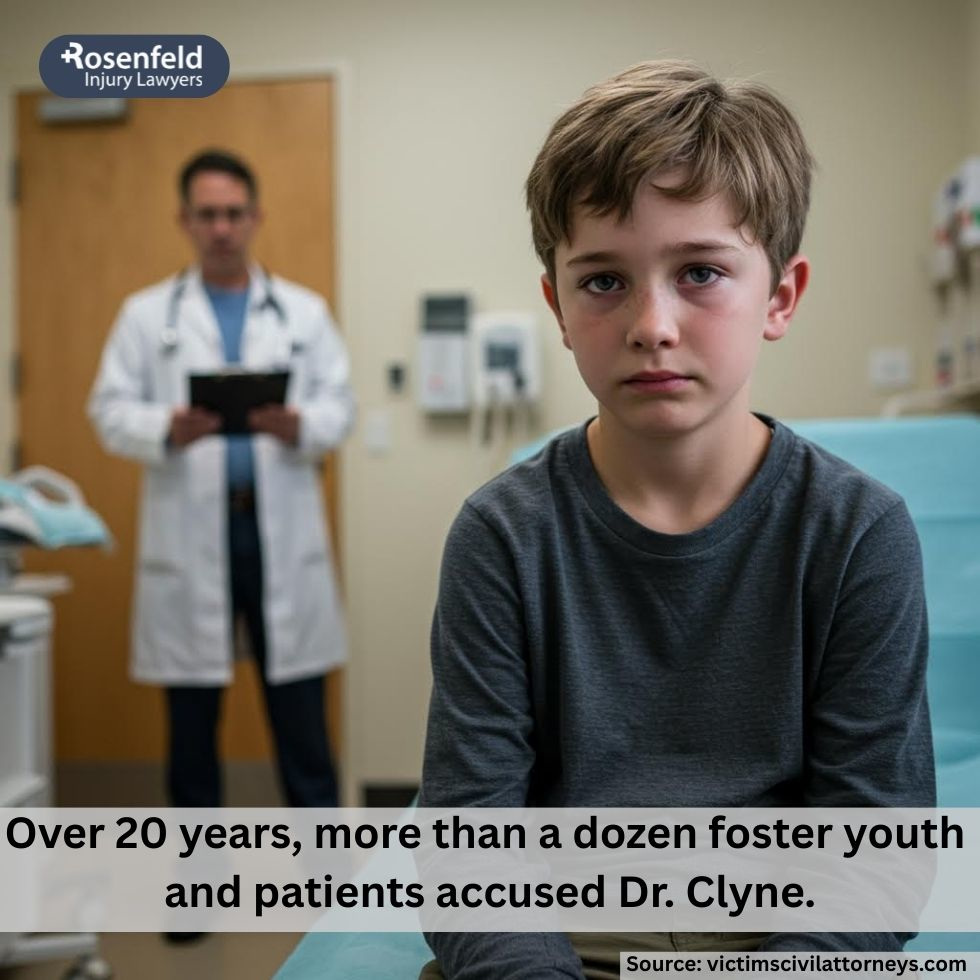
As more survivors came forward, patterns became clear. Their accounts included:
Attorneys reviewing these disclosures identified substantial evidence suggesting a long-running pattern of sexual assault disguised as medical care.
In March 2020, a civil lawsuit was filed in Santa Cruz County Superior Court on behalf of a boy referred to as “Kyle.” The complaint alleged multiple acts of child sexual abuse beginning when Kyle was eight years old and continuing for years. The harm described included:
The lawsuit named both Clyne and Santa Clara County, arguing that the failure to supervise Clyne and the failure to monitor the child’s placement contributed to the injuries.
The California State Medical Board, working with the California Attorney General, conducted a detailed investigation and concluded that Clyne’s actions constituted gross deviations from acceptable care. The state’s accusation described alleged sexual misconduct involving minors, citing conduct that, while not criminal convictions, mirrored the behavior described by survivors.
Defense attorneys argued that the allegations were unproven, but the Board found sufficient cause to proceed with disciplinary action.
In 2024, social services barred Clyne from participating in any county-affiliated child-welfare programs, including:
This marked the first formal recognition by a government entity that Clyne should no longer interact with foster youth.
Rather than contest the charges before a criminal grand jury-style administrative hearing, Clyne surrendered his medical license, ending his medical career entirely.
The Board confirmed that:
This action does not prevent further criminal charges or renewed review by the district attorney’s office, San Jose police, or other authorities.
Survivors pursuing sexual abuse claims against Clyne typically rely on several legal theories rooted in California law. Survivors may assert that Clyne’s actions meet the definition of sexual battery under California Civil Code § 1708.5, and that the examinations amounted to offensive and harmful contact consistent with Penal Code §§ 240–242, even when pursued solely as a civil action.
Many claims contend that Clyne’s alleged actions served no legitimate medical purpose and therefore amount to battery, sexual misconduct, and a clear violation of accepted medical standards. Although these cases are not typical medical malpractice claims, the same professional duties apply.
Under Business and Professions Code § 2234, unprofessional conduct includes sexual misconduct, boundary violations, and examinations performed without medical necessity, all of which can justify disciplinary action.
Institutions responsible for monitoring Clyne, including hospitals, foster-care agencies, and private groups, may be liable for institutional negligence if they failed to respond to warning signs or ongoing complaints.
Survivors may argue that agencies ignored red flags, failed to evaluate concerns, or continued placing youth in his care despite complaints.
If abuse occurred while Clyne acted within his professional capacity, employers and contracting agencies can be held liable under respondeat superior.
California recognizes that childhood sexual abuse often results in long delays before disclosure. Emotional trauma, fear, and the power imbalance between a child and a physician can extend the filing window.
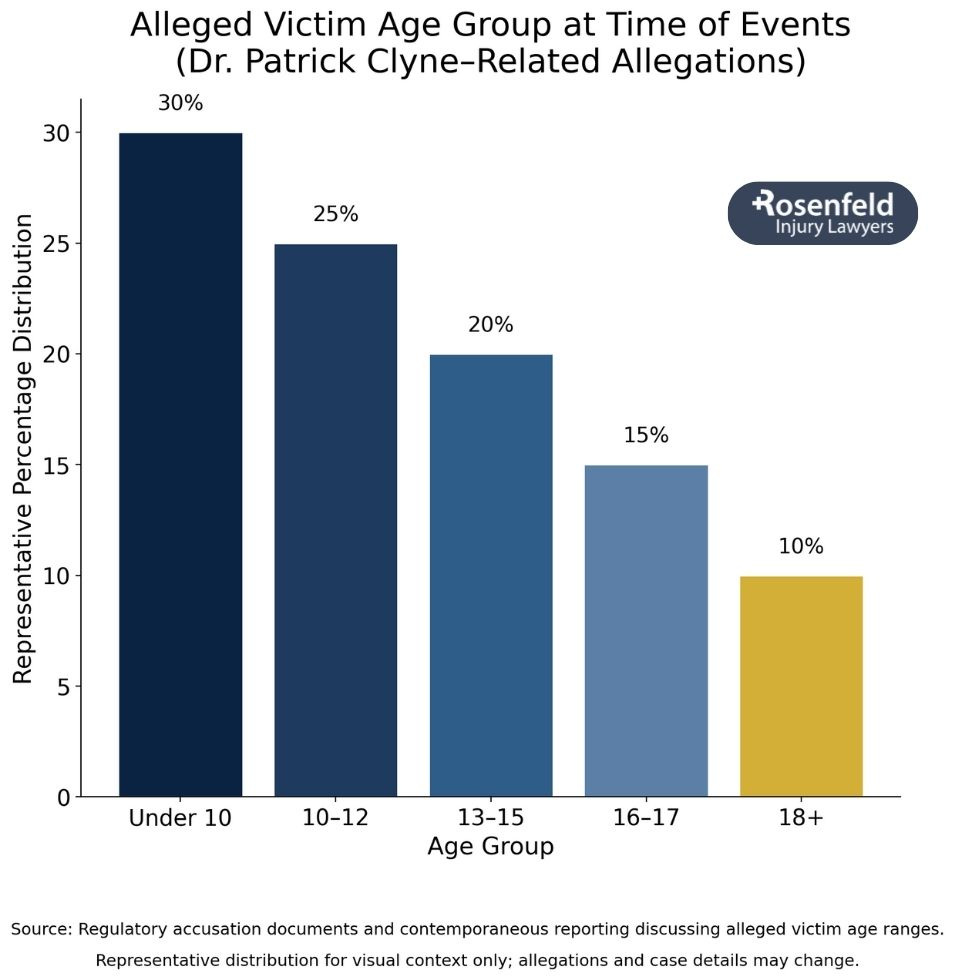
Survivors of child sexual abuse and medical misconduct may recover damages for:
In Santa Clara County, the average sexual-assault payout is approximately $776,250, though case values vary significantly depending on the severity of harm and the extent of institutional failures.
Under CCP § 340.1, survivors may file a claim until age 40 or within five years of discovering that emotional or psychological injuries were caused by the abuse. These extended timelines recognize that former foster youth, children abused by authority figures, and minors in institutional care often delay disclosure for years.
A personal injury lawyer familiar with complex abuse litigation can evaluate whether the statute of limitations remains open, even if the misconduct occurred decades ago.
At Rosenfeld Injury Lawyers, we work with former foster youth, child victims, and anyone harmed in public or private settings by medical professionals to uncover the truth about what happened.
We investigate oversight failures, review medical records, analyze placement files, and determine which institutions enabled or ignored abuse. Our attorneys pursue civil claim filings against individuals and agencies that failed to protect children from preventable harm.
Call us today for a free consultation. All consultations are confidential, and survivors owe no fees unless we secure a recovery. Our mission is to help survivors of childhood sexual abuse reclaim power, confront the institutions that failed them, and seek the justice they deserve.
All content undergoes thorough legal review by experienced attorneys, including Jonathan Rosenfeld. With 25 years of experience in personal injury law and over 100 years of combined legal expertise within our team, we ensure that every article is legally accurate, compliant, and reflects current legal standards.