
Chicago Personal Injury Lawyer
Award-Winning Chicago Personal Injury Lawyer - Securing Justice
for Illinois Injury Victims - Over $450 Million Recovered



If you or a loved one experienced severe complications due to a defective cochlear implant, you may have grounds for legal action. These lawsuits focus on issues and injuries such as device failure, electrical shorts and malfunctions, nerve damage, infections, and permanent hearing degradation or loss.
In some cases, you could be entitled to financial compensation as a result of this harm. The best way to make this determination is to speak with a lawyer. In the following situations, it’s especially important to contact a lawyer about a potential claim:
If you’ve suffered any harm as a result of a cochlear implant, it can be incredibly helpful to speak with a legal professional. Whether you’re dealing with major or minor issues, like infection, facial nerve stimulation, or dizziness, we can help.
Cochlear implants are sophisticated electronic devices created to act like the inner ear’s cochlea, but they are different from regular hearing aids. These implants can offer new possibilities for people with significant hearing loss, even for children starting at six months old. While studies show that the percentage of cochlear implant malfunction is low, somewhere between 4 and 10%, other estimates suggest that the failure rate can be as high as 25% for some models.
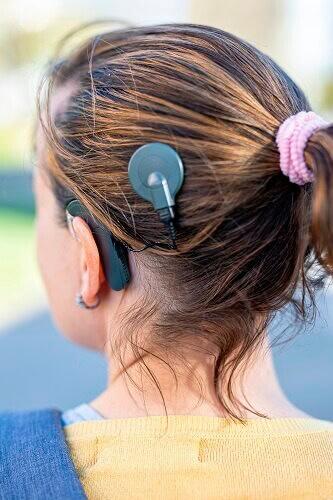
Cochlear implants are life-changing devices for individuals with natural hearing loss, but their problems have led to serious consequences for some recipients. Below are notable cases and recalls involving manufacturers of these products, like Advanced Bionics.
In Wieder v. Advanced Bionics (S.D.N.Y. Nov. 20, 2025), the parents of a child implanted with an Advanced Bionics HiRes Ultra 3D cochlear implant sued the manufacturer, alleging the device malfunctioned, required removal, and caused injury. The lawsuit asserted state-law product liability claims, including defect and failure-to-warn theories.
In November 2025, a magistrate judge recommended dismissing most claims, finding they were largely barred by federal law governing FDA-approved medical devices. The decision highlights the legal hurdles plaintiffs face when bringing personal injury claims involving PMA-approved implants.
The U.S. Department of Justice settled with Advanced Bionics for over $12 million. They were sued for falsely claiming and misleading federal health care programs regarding the safety of their processors (specifically radio-frequency emissions), leading to wrongful reimbursement from federal programs. The agreement with Advanced Bioincs also includes civil penalties, a Corporate Integrity Agreement, and a whistleblower reward.
Advanced Bionics announced a voluntary recall for its HiRes Ultra and Ultra 3D implants after reports that fluid ingress was causing performance issues and degradation with the devices. The recall was pushed by the number of devices being removed or having issues with performance.
A Kentucky jury awarded $7.25 million to a young girl and her family after a cochlear device implanted by Advanced Bionics shocked her severely, causing vomiting and convulsions. This led to more than seven hours of open-head surgery to have the device surgically removed.
The FDA filed a lawsuit against Advanced Bionics over its HiRes 90K implants, citing the unauthorized use of unapproved internal components that posed risks to patient safety.
Cochlear Limited issued a recall of its Nucleus CI500 implants, which impacted over 25,000 patients worldwide who had surgery to have the device implanted and exposed many to potential device malfunctions.
The FDA took legal action against Advanced Bionics because the company introduced a new part to its HiRes 90K cochlear implants without getting premarket approval first. The company paid $1 million to settle this claim with the FDA.
Cochlear implants have been subject to multiple FDA recalls and warnings due to serious defects and risks:
The Food and Drug Administration also warns that these devices may require lifestyle adjustments, as they can interact differently with security systems, theft detectors, cell phones, radio transmitters, and other devices.
A defective medical device attorney can help you hold manufacturers of cochlear devices accountable for their negligence. Primary ways an attorney can assist include:
Consulting with a dedicated attorney can help you stand up for your rights and pursue the financial compensation you deserve.
Our law firm represents clients facing a wide range of cochlear device issues, and we work closely with each client to help them seek the compensation they deserve. Here’s what we typically handle:
Potential legal issues in most cochlear implant cases include product liability, malpractice, debates over informed consent, or access disparity. No matter what complications you’re facing from cochlear implant surgery (flap necrosis, improper electrode placement, rare facial nerve problems, or more), our team is here to guide you so you can focus on healing while we handle the legal details.
If you suspect your cochlear implant, which is intended for those who are profoundly deaf of severely hard of hearing, is causing you harm, there are a few important steps you can take to protect your health and your rights:
Your well-being is important, and following these steps can help you stay on top of your health as well as your legal rights.
Deciding if you can file a cochlear lawsuit usually depends on the device model and whether there was a recall, the extent of your injuries, and the medical evidence you have. Every state has its own statute of limitations as well, which sets the deadline for starting a legal claim. These factors can be complicated, so it’s a good idea to reach out to a personal injury lawyer who can help you figure out your eligibility.
Patients who suffered severe health issues from defective cochlear implants may be eligible for compensation.
Some of the most common types include:
The exact amount you receive in a lawsuit or settlement related to cochlear implant failures depends on a number of factors, including the extent of your injuries and the long-term medical care needed.
Compensation amounts can vary for many reasons. Some of these include the extent of injuries, whether you need long-term medical care, the impact on your daily life, and whether the defendant is found responsible for any defects.
However, there are some cases of plaintiffs receiving significant compensation. For example, in 2013, a young girl received $7.25 million after experiencing severe malfunctions that caused sudden shocks.
While this demonstrates that past claims related to these medical devices have yielded sizable amounts of money, remember that every situation is different.
Liability for injuries caused by cochlear hearing devices and subsequent surgeries may involve manufacturers, medical providers, or other entities involved. Each case is unique, but some of the primary parties that are liable include the following:
Advanced Bionics has faced multiple issues with its cochlear implants, including recalls due to defective devices. Both the Advanced Bionics HiRes 90K and HiRes Ultra/Ultra 3D devices have been involved in U.S. product-liability litigation, and the line was subject to FDA-referenced corrective action/recall communications in 2020 related to performance degradation and issues described as fluid entry. Advanced Bionics was also sued by the FDA after allegedly making unauthorized design changes.
Cochlear Limited issued a global recall for its Nucleus CI500 implants after defects were found to affect over 25,000 people implanted worldwide. Patients have brought lawsuits against the company, alleging a failure to warn consumers about known risks associated with the implants.
Med-El Corporation, another cochlear implant maker, has been linked to devices that failed prematurely due to defects. These malfunctions often required users to undergo additional surgeries, which brought further physical, emotional, and financial burdens.
While liability often lies with the company that made the implant, healthcare providers may also bear responsibility if they performed surgery and implanted a hearing device that was known to be a defective device or under recall.
For patients injured by surgery involving cochlear hearing devices, understanding the potential sources of liability is an important step toward holding the responsible parties accountable and making sure you get paid the settlement you’re owed.
Most states enforce a statute of limitations ranging from two to six years for defective medical device claims. However, there are exceptions that can extend this timeframe.
If you or a loved one has experienced harm as a result of a cochlear device or related surgery, it is recommended to consult with an experienced product liability attorney as soon as possible.
When you’re facing the challenges of a defective cochlear hearing device, choosing the right legal team can make all the difference. Here’s what sets our law firm apart:
We’re here to guide you and stand by your side every step of the way so you can focus on what matters most: your recovery and peace of mind.
Settlement amounts can vary widely, from approximately $100,000 to over $1 million. The final amount largely depends on factors such as the severity of harm, whether revision surgery was required, and other allegations related to devices failing.
While there have been class action lawsuits involving cochlear hearing devices in the past, most cases are filed as individual lawsuits or become part of multidistrict litigation (MDL) as opposed to a class action. This approach helps address specific claims related to device failure, electrode malfunctions, and risks tied to the implantation process.
Even if the device operates, you may still qualify to file a lawsuit if you suffered any physical or emotional harm. Issues like fluid collection, increased risk of device failure, or the need for revision surgery may justify a case.
Evidence such as detailed medical records, FDA recall documentation, and expert medical testimony is critical in establishing a connection between the implant and your injury. Including a device failure analysis or proof and injuries strengthens your claim against manufacturers like Advanced Bionics.

We understand that dealing with a defective cochlear device and additional surgeries can be physically and emotionally stressful. If you or someone you love experienced serious health problems because of a defective hearing implant, you deserve the chance to explore your legal options and seek compensation.
Our mass tort law firm offers free consultations, and you won’t pay anything unless we win your case. During the initial meeting, we can talk about your medical records, potential legal strategies, and the next steps toward pursuing the damages you may be owed. Contact Rosenfeld Injury Lawyers today to learn more about how we can help you stand up for your rights.
All content undergoes thorough legal review by experienced attorneys, including Jonathan Rosenfeld. With 25 years of experience in personal injury law and over 100 years of combined legal expertise within our team, we ensure that every article is legally accurate, compliant, and reflects current legal standards.