
Chicago Personal Injury Lawyer
Award-Winning Chicago Personal Injury Lawyer - Securing Justice
for Illinois Injury Victims - Over $450 Million Recovered



If you or a loved one has suffered pain and complications from a Wright hip replacement, you may be entitled to significant compensation. At Rosenfeld Injury Lawyers, we are experienced in handling Wright hip replacement lawsuits and provide comprehensive legal support to navigate the complexities of these cases.
We offer expert guidance on the current status of the lawsuits, the medical complications associated with Wright Medical Technology’s hip implants, and the steps to file a successful claim. Let us help you secure the justice and compensation you deserve.
Numerous lawsuits have been filed against Wright Medical by individuals who suffered complications from their hip replacements. These lawsuits often form part of multidistrict litigation (MDL) to streamline the legal process and handle similar cases collectively.
Currently, there is no class action status. The cases were instead consolidated in an MDL to facilitate more efficient processing and resolution. The MDL is designed to handle complex cases involving multiple plaintiffs across different jurisdictions that share common issues of fact or law. This process helps to avoid inconsistent rulings and conserves judicial resources.
Since the initiation of these Wright hip implant lawsuits, thousands of cases have been filed, reflecting the widespread impact of the defective devices. Courts have seen a steady increase in the number of claims, indicating the growing awareness and acknowledgment of the issues associated with Wright hip replacements.
The legal proceedings have also prompted more in-depth investigations into the company’s practices and the safety of its products.
Here is a timeline of key events in the multidistrict litigation process, which had more than 1,300 plaintiffs and took more than 5 years to resolve:
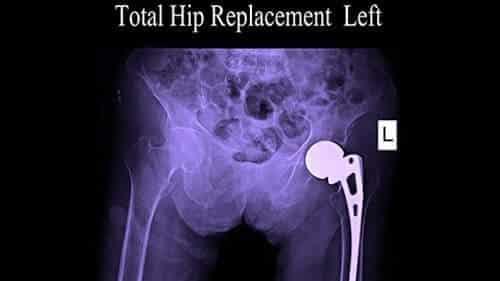
Individuals are filing Wright lawsuits due to severe complications arising from their hip replacements. These lawsuits claim Wright Medical’s hip implants, specifically their metal-on-metal design, are defective and prone to failure. After Wright sold its hip implant manufacturing business, the company was hit with around 2,000 lawsuits. Of these, 640 cases were consolidated into a multidistrict litigation in a Georgia federal court, while others were grouped together in state courts.
Plaintiffs argue the company failed to warn patients and medical professionals about the risks associated with these metal-on-metal hip devices, leading to significant medical and financial burdens.
The basis for these lawsuits includes allegations of negligence, failure to warn, breach of warranty, and fraudulent misrepresentation. Plaintiffs contend that Wright knew or should have known about the defects in their metal-on-metal hip implants but continued to market and sell them without adequate warnings.
This failure to act responsibly has resulted in significant harm to patients, who trusted the devices to improve their quality of life.
Furthermore, many lawsuits highlight Wright’s marketing materials and promotional campaigns, which overstated the benefits of their hip implants while downplaying or ignoring the potential risks.
This misleading information contributed to patients’ and doctors’ decisions to use these devices, ultimately leading to widespread complications and subsequent legal actions.
Hip replacements by Wright, originally manufactured by the company’s OrthoRecon division, have been linked to several serious medical complications. These complications have had a profound impact on patients’ lives, often necessitating additional surgeries and prolonged medical treatment.
Metallosis is a condition that occurs when metal debris from the implant builds up in the patient’s body, leading to tissue damage, experiencing sudden pain, and other systemic issues such as metal toxicity and metal poisoning.
The metal debris is typically generated from the friction between the metal components of the implant, which wear down over time. This can cause severe inflammation and damage to the surrounding tissues, resulting in persistent pain, swelling, and reduced mobility.
Symptoms of metallosis include skin rashes, thyroid problems, chronic fatigue, and cognitive difficulties related to metal poisoning. These symptoms can significantly impair a patient’s quality of life, requiring extensive medical intervention to manage the condition.
In severe cases, metallosis can lead to permanent damage and necessitate emergency surgery to replace the defective implant with a safer alternative.
Implant loosening occurs when the hip implant fails to remain securely in place, often requiring revision surgery. This can happen due to various factors, including poor initial fixation, bone loss around the implant, or mechanical issues with the device itself.
When an implant becomes loose, it causes severe hip or groin pain, instability, and reduced mobility, making everyday activities challenging or impossible.
Patients experiencing implant loosening often report chronic pain in the hip area, difficulty walking, and a sensation that the joint is unstable or slipping out of place. This condition typically requires revision surgery to remove the loose implant and replace it with a more stable one.
The revision surgery can be complex and carries its own risks, including infection, further bone loss, and prolonged recovery time.
Device failure refers to the complete breakdown of the hip implant, which can occur for various reasons, such as mechanical failure of the components, material fatigue, or design flaws. When an implant fails, it can cause excruciating pain and significantly limit a patient’s mobility. The breakdown often occurs at the femoral neck or femoral head.
In some cases, the failure may be sudden – there is no warning, breaks occur, and complications happen. In others, it may occur gradually over time as the components wear down.
Additionally, some Wright Profemur hip system components featured laser etchings at modular junctions, which plaintiffs allege may have contributed to stress concentrations and fracture risk.
Symptoms of device failure include persistent pain, swelling, reduced mobility, and audible clicking noises from the hip area, often requiring revision surgery. These symptoms can indicate that the implant is not functioning correctly and may require immediate medical attention.
Revision surgery is often necessary to replace the failed implant and restore the patient’s mobility and quality of life. However, revision surgeries can be more complicated and carry higher risks than the initial procedure.
Wright has been found liable in certain hip-implant cases (including bellwether litigation), often on theories such as defective design and related misconduct, but outcomes varied, and failure-to-warn claims were not uniformly successful.
Patients with one of these joint replacements should take notice of adverse symptoms, such as pain, popping noises, and systemic signs of metal toxicity.
Several specific devices manufactured by Wright Medical, referred to as Wright implants, have been mentioned in lawsuits due to their high failure rates and associated complications. These devices include:
Wright has issued several recalls for its hip replacement products due to high failure rates and safety concerns.
These recalls, tracked by the FDA, have been prompted by reports of severe complications and the growing evidence indicating that the devices were not as safe or effective as initially claimed.
Filing a lawsuit against Wright involves several critical steps. Understanding these steps is essential for patients who have experienced complications from their hip implants and are seeking compensation for their injuries.
To file a lawsuit, patients must meet certain eligibility criteria. These include having received a defective implant and experiencing related complications such as metallosis, implant loosening, or device failure.
Patients should have documented evidence of their medical issues and the connection to the Wright implant.
Gathering evidence is a crucial part of the lawsuit process. This includes collecting medical records, documentation of symptoms, proof of device failure, and any communication with healthcare providers regarding the implant.
Patients should also keep records of any additional surgeries or treatments related to the complications caused by the Wright hip implant.
The help of experienced product liability claim lawyers is essential for navigating the complexities of product liability cases involving Wright.
A skilled attorney can help gather evidence, build a strong case, and represent the patient’s interests in court. They can also negotiate with Wright or its insurers to secure a fair settlement.
Victims of defective Wright hip implants may be entitled to various types of compensation. An experienced lawyer can help patients recover the following damages:
Compensation for all medical expenses related to the defective hip implant, including surgeries, treatments, hospital stays, medications, and ongoing medical care, especially for those who require revision surgery.
This can also cover future medical expenses that may arise due to complications from the implant.
Patients who have been unable to work due to their injuries can seek compensation for lost wages. This includes income lost during recovery periods, as well as any long-term reduction in earning capacity due to permanent injuries or chronic pain.
Victims may also be entitled to damages for pain and suffering. This includes compensation for the physical pain, emotional distress, and reduced quality of life caused by defective hip replacements. Past and future pain and suffering damages aim to provide financial relief for the non-economic impact of the injuries.
There have been significant settlements in Wright hip replacement cases. Settlement values vary widely depending on factors such as the specific device involved, the severity of injury, whether revision surgery was required, and individual damages.
In prior Wright hip replacement settlements, average payouts for plaintiffs were reported at approximately $170,000 if they had the Conserve cup and $120,000 for Dynasty/Lineage recipients. Additional compensation was available in cases involving extraordinary injuries or complications.
Notably, in 2016, Wright agreed to a $240 million settlement to resolve thousands of claims related to their Conserve, Dynasty, and Lineage implants.
In addition, Wright agreed to resolve roughly 600 remaining hip replacement lawsuits for approximately $90 million, following earlier settlements. Two jury trials also resulted in verdicts totaling about $15.5 million against the company, outcomes that helped shape settlement expectations and valuation ranges in litigation against Wright.
These settlements reflect the serious nature of the claims against Wright and the company’s acknowledgment of the defects in their products.
The compensation provided through these settlements helps victims recover from the financial and emotional toll of their injuries and hold Wright accountable for their actions.
The settlement amounts for Wright hip replacement lawsuits vary according to the complication’s seriousness, the extent of injury, and whether one – or more – revision surgeries were needed.
Typical Settlement Range: $105,000 – $175,000
Settlements for moderate injuries are usually somewhere within this range. This would be for cases with complications that have a notable impact but are not permanently disabling. Past settlement data related to the Conserve, Dynasty, and Lineage implants show compensation amounts in the range of $115,000 to $170,000, depending on circumstances and medical impacts.
Expected Settlement Range: $160,000 – $510,000+
Claims in this group often involve serious device breakdown or toxic exposure. This could include cases where patients experience severe complications that could be permanent, but they aren’t disabled.
Potential Settlement Value: $510,000 – up to or over $1,100,000
The largest recoveries are seen with extremely serious complications where the patient underwent multiple surgeries and is permanently disabled.
Because the facts of every case are different, these values should only be used as general reference points. For an accurate assessment of what your case could be worth, consult a mass tort attorney with experience in hip implant litigation as soon as possible, like those at Rosenfeld Injury Lawyers.

If you have been injured and suffered significant pain or needed corrective surgery after a Wright Medical Technology artificial hip failed, it’s important to speak with a knowledgeable attorney as soon as you can.
Rosenfeld Injury Lawyers are experienced in handling defective medical device cases, including Wright hip replacement lawsuits, with a proven record of successfully representing clients and securing substantial settlements. We provide personalized attention and robust legal representation to ensure the best possible outcome for your case.
Our team understands the complexities of product liability law and has the resources and expertise to handle even the most challenging cases. We work diligently to gather evidence, build a strong case, and advocate for our clients’ rights. With our personal injury attorneys by your side, you can trust that your case is in capable hands.
If you or a family member has been affected by a defective artificial hip, contact Rosenfeld Injury Lawyers for a free consultation. Contact us at or online for a free consultation to discuss your legal options. We work on a contingency fee basis, so you never owe us any attorney fees up front.
All content undergoes thorough legal review by experienced attorneys, including Jonathan Rosenfeld. With 25 years of experience in personal injury law and over 100 years of combined legal expertise within our team, we ensure that every article is legally accurate, compliant, and reflects current legal standards.